
After a car accident, one of the first things your insurer may ask is where you would like your vehicle repaired. Some insurers may recommend a repairer from their preferred network, while others may give you options for arranging repairs yourself.
For many Victorian drivers, the important thing is to understand what your insurance policy actually says before agreeing to a repairer. Your policy can include specific conditions about repairers, claims, excess payments and the way repairs are managed. Consumer Affairs Victoria recommends checking your insurance policy to understand whether there are restrictions on who can repair your vehicle.
Knowing your options can help you make a more informed decision rather than simply choosing the first repairer suggested after an accident.
What Does a Preferred Repairer Mean?
A preferred repairer is a repair business that has an arrangement with an insurer or forms part of its repair network.
When you make an insurance claim, your insurer may suggest one of these businesses because it already has processes in place for handling claims and repairs.
This can make the process straightforward, but a recommended repairer is not necessarily the only option available to you. Whether you can choose another repairer depends on the terms and conditions of your individual insurance policy.
Before agreeing to a repairer, check your Product Disclosure Statement and ask your insurer what your policy allows.
Check Your Insurance Policy First
Your insurance policy is the starting point when deciding how your accident repair will be handled.
Different policies can have different conditions. Some may allow you to choose your own repairer, while others may contain conditions relating to preferred repair networks, excess payments, repair guarantees or other aspects of the claim.
Don’t rely solely on what you remember about your policy. Read the relevant section or ask your insurer to explain it.
You can ask questions such as:
- Can I choose my own repairer?
- Is there any additional excess if I use my preferred repairer?
- Does my policy provide a repair guarantee?
- Will you approve the repair estimate?
- Are there any restrictions on parts or repair methods?
- Do I need to use an insurer-approved repairer?
- Will choosing another repairer affect my claim?
Getting these answers before authorising repairs can help avoid surprises later.
You Don’t Have to Automatically Accept the First Repairer Suggested
After an accident, you may be contacted by your insurer or directed towards a particular repairer. It is worth taking a moment to understand your options before agreeing.
Consumer Affairs Victoria advises motorists to keep informed about the work being carried out on their vehicle and to check their insurance arrangements.
If you already have a repairer you trust, tell your insurer. If your policy permits you to choose your own repairer, you can ask for the claim to be handled through that business.
The key is to check the terms of your policy rather than assuming that every insurance policy works in exactly the same way.
Why Your Choice of Repairer Can Matter
Accident repairs can involve more than simply replacing a damaged bumper or painting a scratched panel.
Depending on the collision, your vehicle may require panel repairs, structural assessment, chassis straightening, paintless dent removal, spray painting or replacement of damaged components.
The experience and equipment available at the repair workshop can therefore be important.
A repairer should be able to assess the vehicle properly and explain what needs to be repaired. For more substantial collision damage, this can include looking beyond the obvious exterior damage.
For example, a damaged front bumper may conceal damage behind the bumper, while a significant side impact may affect several panels or structural areas.
A proper assessment helps establish the actual repair requirements before the work progresses.
Ask Questions Before Authorising Repairs
Before handing your vehicle over to a repairer, make sure you understand what is being proposed.
Ask for information about:
- The damage identified
- The repairs required
- Parts being used
- Expected repair timeframe
- Estimated costs
- Insurance claim arrangements
- Your excess
- Repair warranty
- Additional work that may become necessary
Consumer Affairs Victoria recommends getting a written estimate before repair work is carried out. The estimate should include the work to be done, parts, estimated completion time, payment method and estimated parts and labour costs. It also recommends making it clear that you must be contacted before work begins on repairs you have not authorised.
This is particularly useful when additional damage is discovered after a vehicle has been dismantled.
Be Careful With Towing Arrangements
The repairer you use can sometimes be influenced by what happens immediately after an accident, particularly if your vehicle needs to be towed.
Consumer Affairs Victoria states that you are not obliged to have your vehicle towed simply because a tow truck arrives at the scene. It also warns that some towing contracts can contain terms that connect the vehicle to a particular smash repairer.
If you already have a preferred repairer, you can ask for your vehicle to be towed directly there.
Before signing a towing contract, read the terms carefully and make sure you understand where your vehicle will be taken.
You should also make it clear that repairs must not be authorised without your approval or the approval required under your insurance arrangements.
What If Your Insurer Recommends a Different Repairer?
If your insurer recommends another repairer, don’t be afraid to ask why.
You can ask whether the recommendation is based on your policy, the insurer’s repair network or simply the insurer’s normal claims process.
If you want to use another repairer, tell the insurer before the repair begins and ask how that choice will affect your claim.
There may be differences in excess, repair guarantees, claims handling or approval requirements depending on your policy. Getting this information in writing can be useful if there is any uncertainty later.
Choosing a Repairer for Prestige and European Vehicles
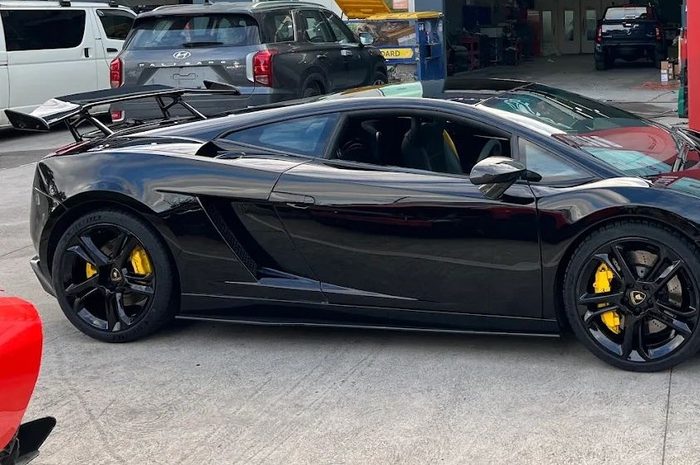
If you own a prestige, luxury or European vehicle, you may also want to consider whether the repairer has experience working with your type of vehicle.
Modern vehicles can have specialised body materials, advanced safety systems, distinctive paint finishes and manufacturer-specific repair requirements.
A repair workshop should have the appropriate equipment and knowledge to assess the damage correctly.
At Complete Automotive Crash Repair in Coburg North, the team works on prestige, luxury and European vehicles and provides services including panel repairs, chassis straightening, paintless dent removal and spray painting. The workshop also uses laser-guided measurement equipment and computer paint-matching technology as part of its repair process.
What About Genuine or Replacement Parts?
Parts are another area worth discussing before repairs begin.
Depending on your insurance policy and the vehicle, different types of parts may be available or specified. Ask your insurer and repairer what parts will be used and whether this is consistent with your policy.
You should also ask whether the proposed parts are appropriate for the vehicle and whether they meet the relevant requirements for the repair.
Don’t hesitate to ask for clarification if an estimate includes parts or repair methods you don’t understand.
Keep Records of the Repair
Once you have chosen a repairer, keep copies of important documents relating to your claim.
These may include your:
- Insurance claim number
- Repair estimate
- Authorisations
- Emails with your insurer
- Repair invoices
- Photos of the accident damage
- Warranty information
- Any reports relating to the vehicle
Keeping these records together can make it easier to follow the progress of the claim and resolve questions if they arise later.
What If You’re Not Happy With the Repairs?
If you are unhappy with completed repair work, Consumer Affairs Victoria recommends first discussing your concerns with the repairer and giving them an opportunity to explain or address the problem. It also suggests considering the warranty on the parts and repairs and contacting your insurer if the vehicle is insured.
If you cannot resolve the issue, you may be able to seek further assistance. In some situations, an independent assessment from a qualified mechanic can also help establish the condition of the vehicle.
The best approach is to keep communication clear and maintain records of what has been discussed.
Your Repairer, Your Insurance and Your Policy
Choosing a repairer after an accident doesn’t need to be confusing. Start by checking your insurance policy, understand what your insurer requires and ask questions before authorising repairs.
If your policy allows you to choose your own repairer, you can tell your insurer which workshop you would like to use and ask how the claim will be handled. If your policy has restrictions, make sure you understand them before making a decision.
The most important thing is to know what you are agreeing to before your vehicle enters the repair process.
If you are looking for a crash repair workshop in Melbourne’s northern suburbs, Complete Automotive Crash Repair can assess accident damage and assist with insurance-related repairs from its Coburg North workshop. The team handles panel repairs, chassis straightening, paintless dent removal, spray painting and towing coordination, with direct billing available with major Australian insurance providers. You can contact the team on 03 9354 0493 or visit 3/159 Newlands Road, Coburg North VIC 3058 to discuss your vehicle and repair requirements.